Home Additions & Extensions in NYC

Dormers, second-stories, bump-outs, and full room additions across Long Island, Staten Island, and northern New Jersey. Architecture, engineering, permitting, and the build.

5.0

What we build

Four addition scopes. One tie-in standard.

Dormers, second-stories, bump-outs, and in-law suites — same architectural and engineering coordination, same permitting playbook, same finish-matching standard at the seams. The scope changes how long it runs; the tie-in detailing doesn't.

  • Suburban single-family home reference frame — context for shed, gable, and eyebrow dormer additions

    Dormers

    Shed, gable, and eyebrow dormers — usually built to convert unfinished attic space into a bedroom, master suite, or home office. Adds habitable square footage without expanding the home’s footprint, which often means a faster zoning path. Most dormer builds run 3 to 5 months.
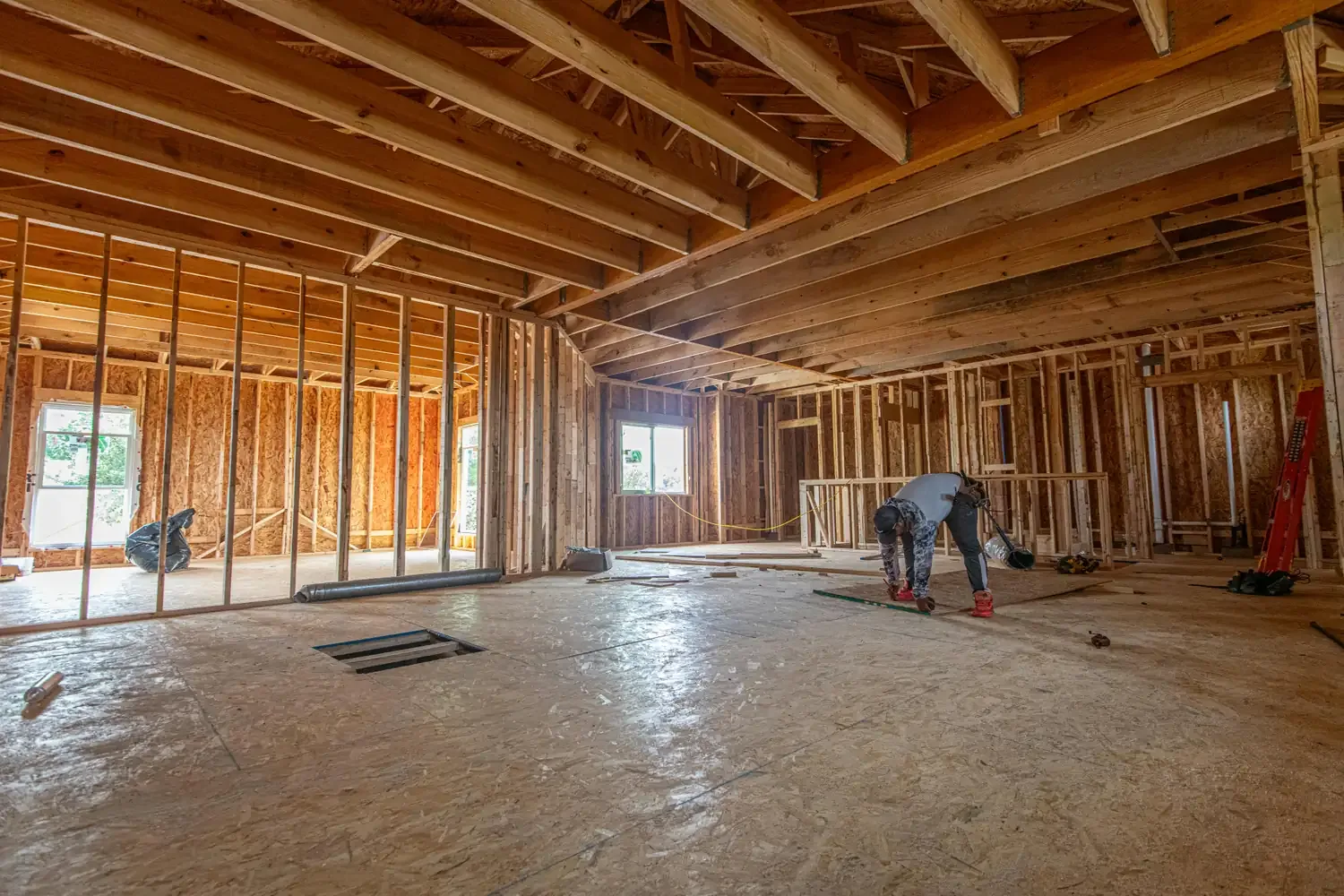
  • Bare structural framing on a residential build — second-story addition mid-construction reference

    Second-story additions

    Full or partial second-story builds. We open the existing roof, frame the new floor system on the first-floor walls (sometimes with foundation reinforcement), build the new walls and roof, and tie the existing stairwell into the new level. Substantial scope: 6 to 9 months.

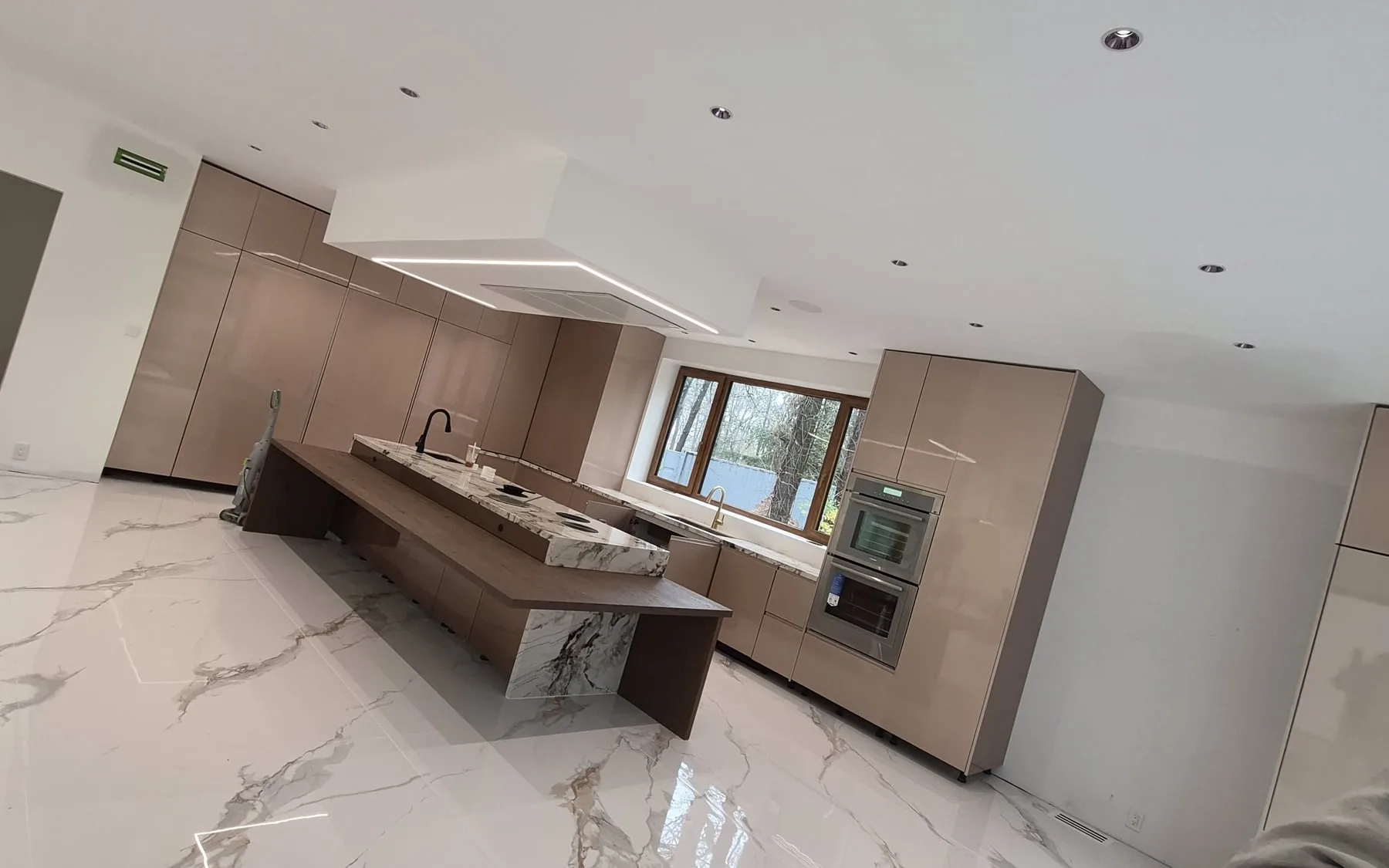
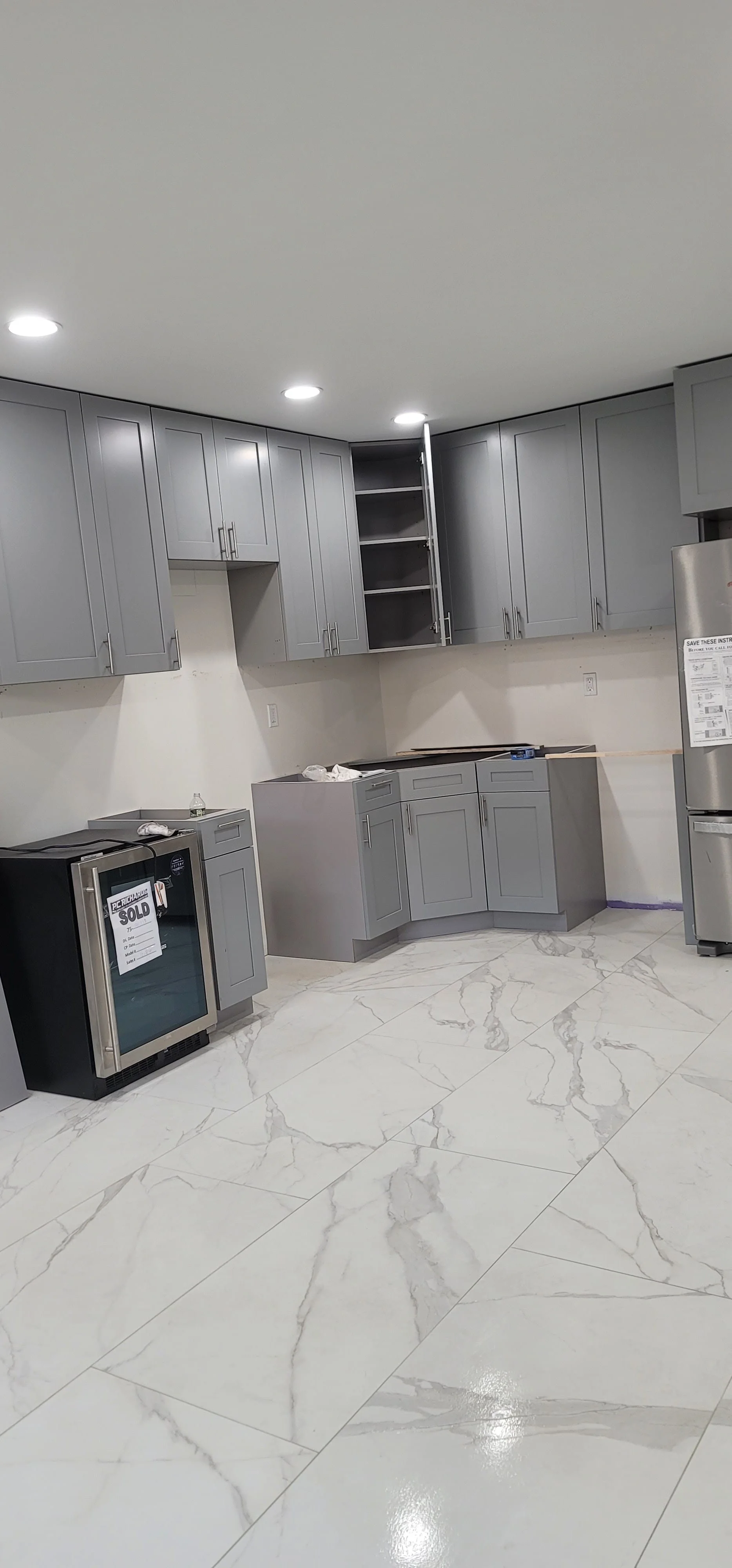
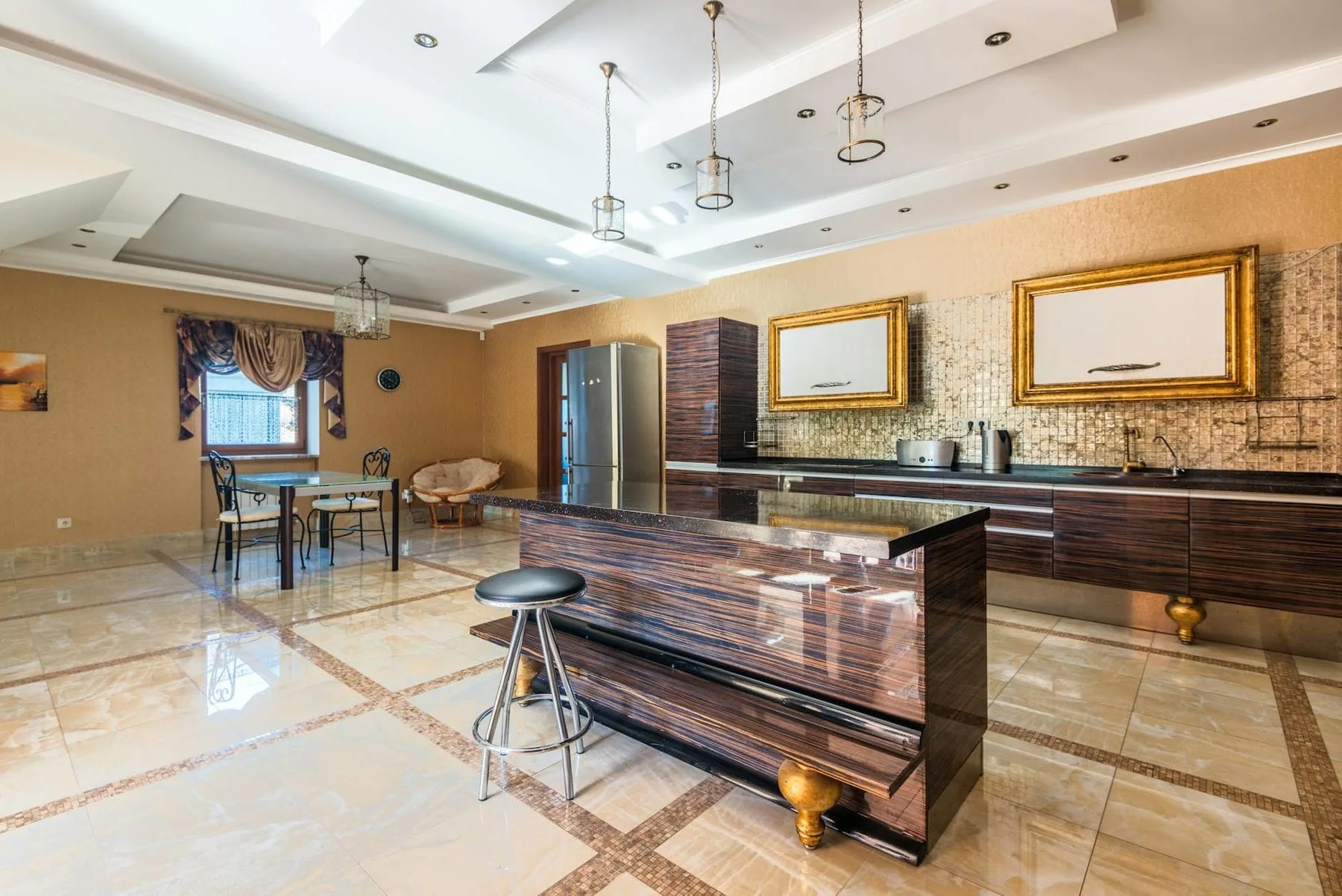
  • Open kitchen and family-room interior — reference for a kitchen and family-room bump-out addition

    Bump-outs

    Single-story extensions, typically off a kitchen, family room, or master bedroom. The smallest addition type — sometimes only 8 to 12 feet of new footprint — but it can make the difference between a usable kitchen and a cramped one. 3 to 5 months.

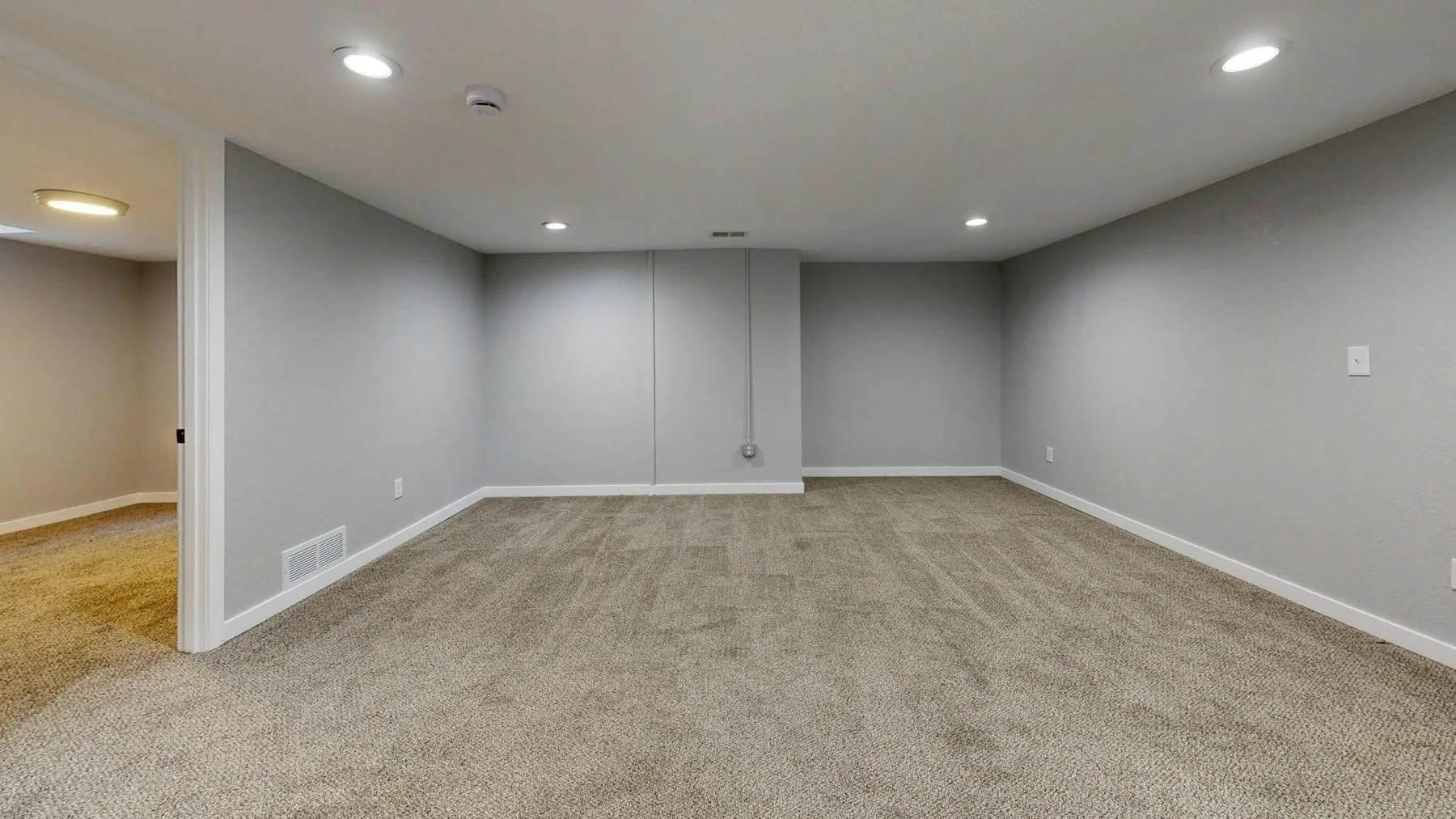
  • Separate-living-quarters interior — reference for an in-law suite or accessory dwelling unit addition

    In-law suites & ADUs

    A bedroom, bathroom, kitchenette, and separate living area, often with a private entrance. Permitted as a separate use under most NJ and Long Island zoning ordinances. We coordinate with the township on use restrictions, parking, and meter separations.

Materials & Standards

Four standards. No shortcuts.

Additions live at the seam between an old house and a new build — the work that holds them together is the work nobody sees once the siding goes back on. The four standards below are what separate an addition that lasts from one that looks bolted-on at year three.

  • Bare structural framing — architecture and engineering rough-in stage of a home addition

    Architecture & Engineering.

    Licensed architects and structural engineers we've used on multiple projects produce the construction drawings, run the load calculations, and stamp the plans for filing. Their fees are line items on the proposal — never absorbed into our number — so you see exactly what design costs.

  • Home addition exterior under construction — new footings and stick-framing tied into the existing structure

    Foundation & Framing.

    New footings poured to the depth required by the soil report and the local frost line. Stick-framed on site to match the existing house’s structure — never prefabricated, never modular. Foundation reinforcement on the existing house when the load path changes (common on second-story additions).

  • Custom interior trim and finish detail in a townhouse — reference for finish-matching at the addition seam

    Interior trim & finish-matching.

    Trim profiles, hardwood species and stain, paint sheen, and door hardware all matched between the existing house and the new addition. We dry-fit trim and stain a sample before cutting the production run — the seam between old and new is the detail homeowners notice every day.

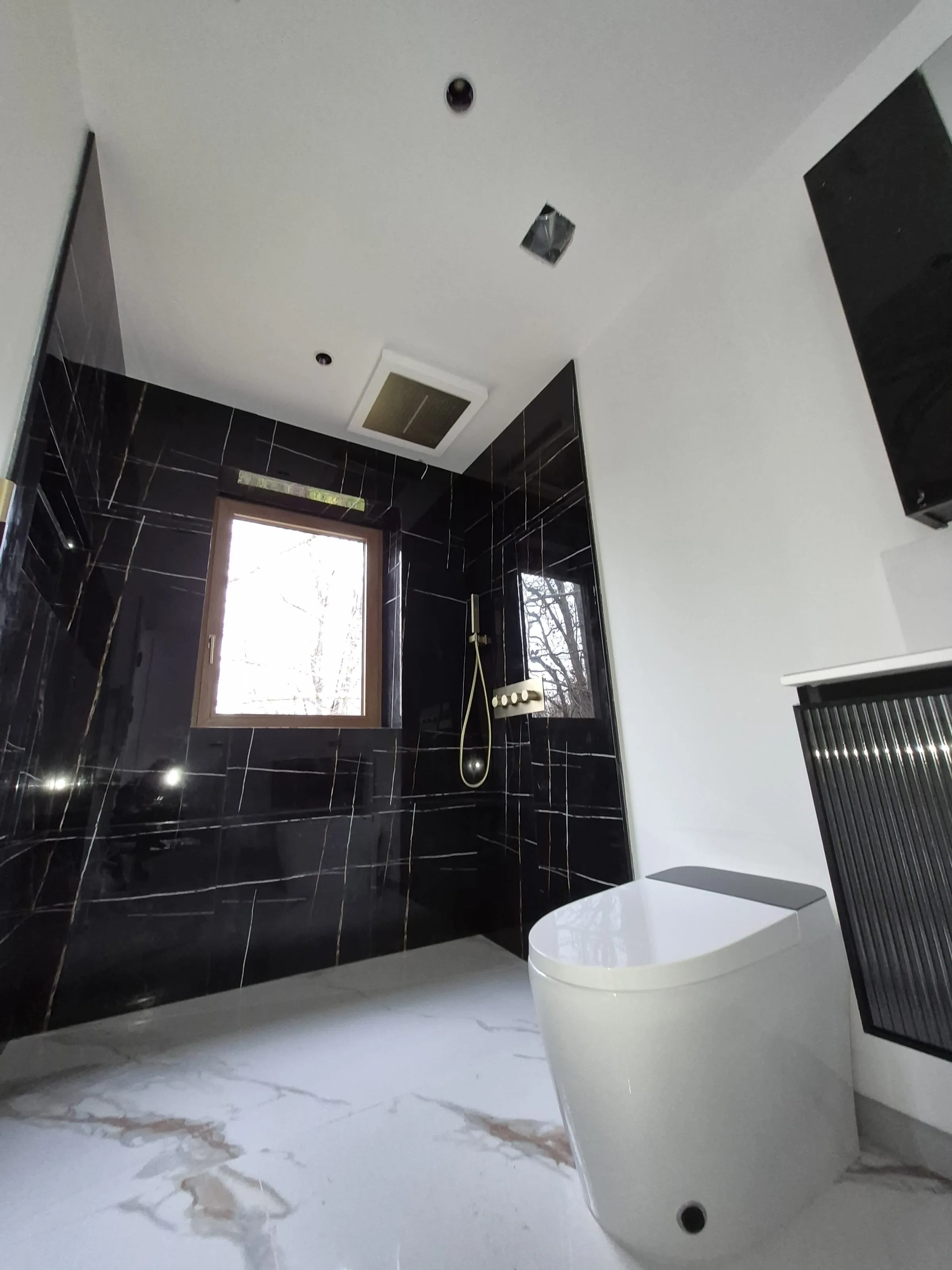
  • Brass fixture detail and pressure-tested supply lines — plumbing and MEP rough-in standard for additions

    Fixtures, plumbing & MEP.

    Brass and bronze supply lines, pressure-tested before walls close. Trusted licensed plumbers — long-term partners — running rough-in for new bathrooms and kitchens inside the addition. HVAC tie-in coordinated with the existing system or a dedicated zone where capacity calls for it.

Process

Four steps. No surprises.

Additions take longer than interior remodels because the design and permitting phases are heavier, and the build sequence is weather-dependent. The four-step process below holds across every scope — dormer, second-story, bump-out, or in-law suite — only the durations shift. Permitting timelines run 6 to 14 weeks across most NJ and Long Island municipalities before any framing starts.

  1. Free consultation

    On site — additions are a where-we-have-to-walk-the-property project type. We photograph the existing house from every angle, talk through what you want, and confirm whether the addition is feasible given lot setbacks, zoning, and roof line.

  2. Design and permitting

    Architectural drawings, structural engineering, township submission, zoning review, and variance application if required. We file every permit and follow up on every inspection — you don’t sit through the township meetings unless your lot needs a variance hearing.

  3. Build

    Foundation, framing, roofing, exterior, MEP rough-in, insulation, drywall, and finishes. Trusted licensed plumbers handle plumbing rough-in for new bathrooms or kitchens; in-house tile and stone setters handle finished surfaces. Sequenced to minimize the window the existing roof is open to weather.

  4. Walk-through and warranty

    Punch list, deep clean, township final inspection, and the 2-year written workmanship warranty. Manufacturer warranties on roofing, siding, windows, and fixtures pass through to you.

Featured Projects

Recent addition builds. Built to last.

A few recent additions across Long Island and northern NJ. Each links to a full case study with the architectural drawings, permitting timeline, and tie-in details.

Service Areas

Where we build.

We’re based in Newark, NJ, and we work across the NYC metro from there. Five boroughs, Long Island, Yonkers, and northern New Jersey are all on the standard route.

And 30+ surrounding cities within a 50-mile radius of Newark, NJ

FAQs

Common questions.

Everything we get asked about scope, timeline, materials, and how the work actually runs.

How long does an addition take?

Addition timelines range from days for small interior conversions to several months for ground-up additions with foundation, framing, and roof tie-ins. Timeline depends on scope, permits, and structural requirements.

What types of additions do you build?

Dormers (shed, gable, eyebrow), second-story additions (full or partial), single-story bump-outs (kitchen, family room, mudroom), in-law suites, sun rooms, and integrated garage additions. We don't do prefabricated additions or modular box add-ons — every addition we build is stick-framed on site to match the existing house's structure and finishes.

Where do you do home additions geographically?

Most of our addition work is on Long Island (Nassau and parts of Suffolk), Staten Island, and northern New Jersey — Bergen, Essex, Hudson, Union, and Morris counties. Manhattan, Brooklyn, and Queens additions are rare because the housing stock is mostly multi-family or attached — additions there typically mean a roof-deck, terrace enclosure, or rear extension on a townhouse, all of which we do but they're not the bulk of the addition portfolio.

Do you handle the architectural drawings and engineering?

Yes. We work with structural engineers and licensed architects we've used on multiple projects. They produce the construction drawings, run the structural calculations, and stamp the plans for filing. The architect and engineer fees are line items on the proposal, not hidden in our number — you see exactly what you're paying for the design phase.

What permits are required for a home addition?

On Long Island and in NJ, you'll need a building permit from the local township or village, a zoning approval if the addition extends the home's footprint, and inspections at framing, rough-in (plumbing, electrical, HVAC), and final completion. Some townships require a survey, a variance hearing, or a wetlands review depending on the lot. We file every permit and manage every inspection.

Do additions usually require us to move out?

It depends on the scope. A bump-out off a kitchen or family room can usually be built while you live in the home, with dust barriers between the new construction and the existing space. A full second-story addition opens the existing roof to weather — most homeowners find a temporary place to stay while the roof is off. We sequence the build to minimize that window.

Will an addition increase my property taxes?

Yes. Adding habitable square footage to your home will trigger a re-assessment by the local tax assessor — that's universal across NJ and NY. We can give you a rough estimate of the assessed-value increase based on comparable additions in your township, but the final number comes from the assessor's office. Plan for it as a real line in the post-build allocation.

Project intake

Tell us what you're planning.

Free Consultation

Ready to start? Let’s talk.

Call to walk through your project, or schedule a free consultation — by video if you can’t be on site, in person if you can. We bring sample materials, a measuring kit, and a written scope back to you within a few business days.

Licensed Insured Bonded 10+ years

Mon–Sun · 8 AM–6 PM