Family rooms & entertainment
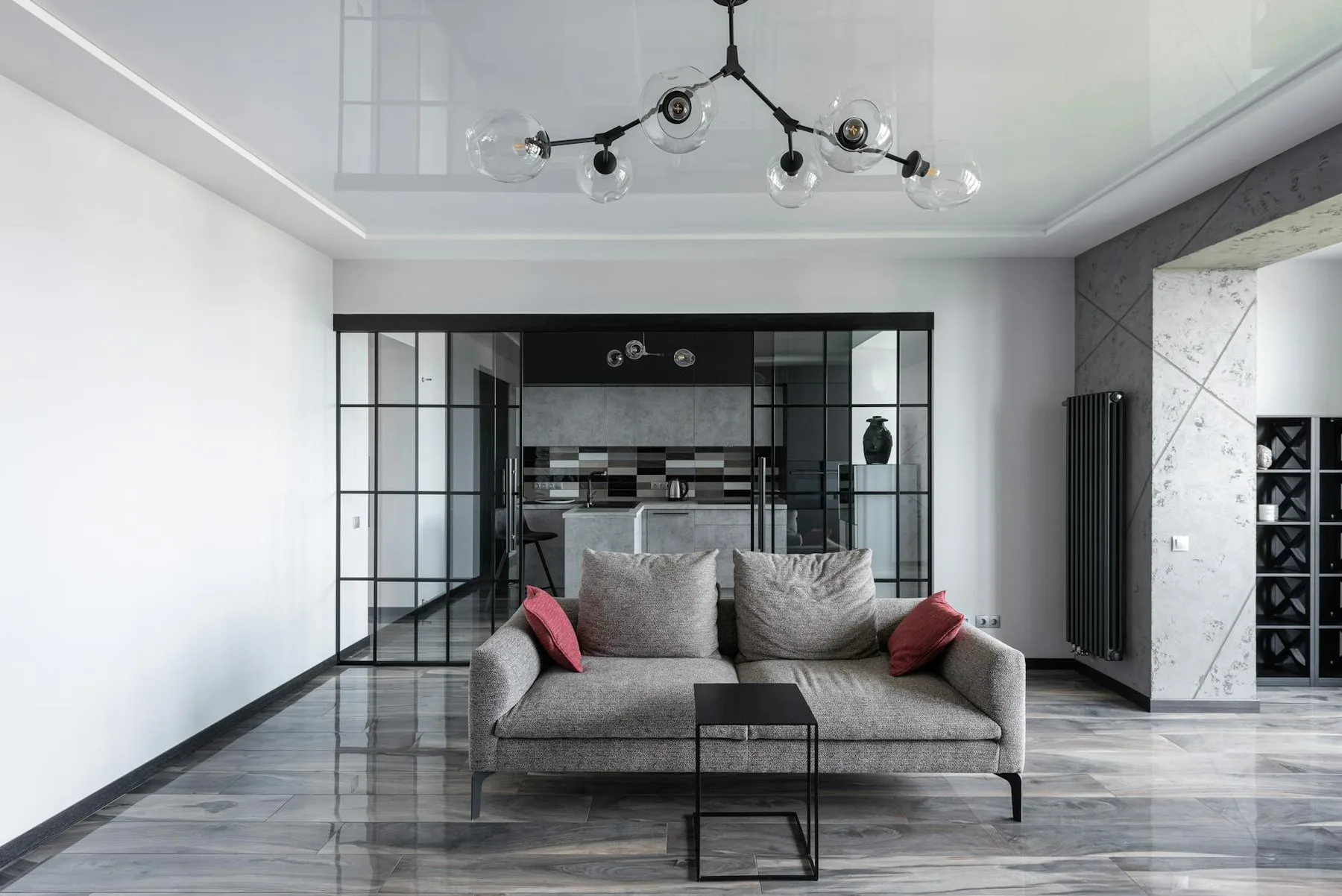
Open family rooms, home theaters, and wet bars. Framed walls, drywall, recessed lighting, vinyl plank flooring, paint, and trim. Pre-wired surround sound and projector mounts where the brief calls for them.
What we build
Family rooms, in-law suites, and basement bathrooms — same waterproofing-first sequencing, same code-compliant egress, same finish standard. The scope changes the duration; the foundation work doesn't get skipped.
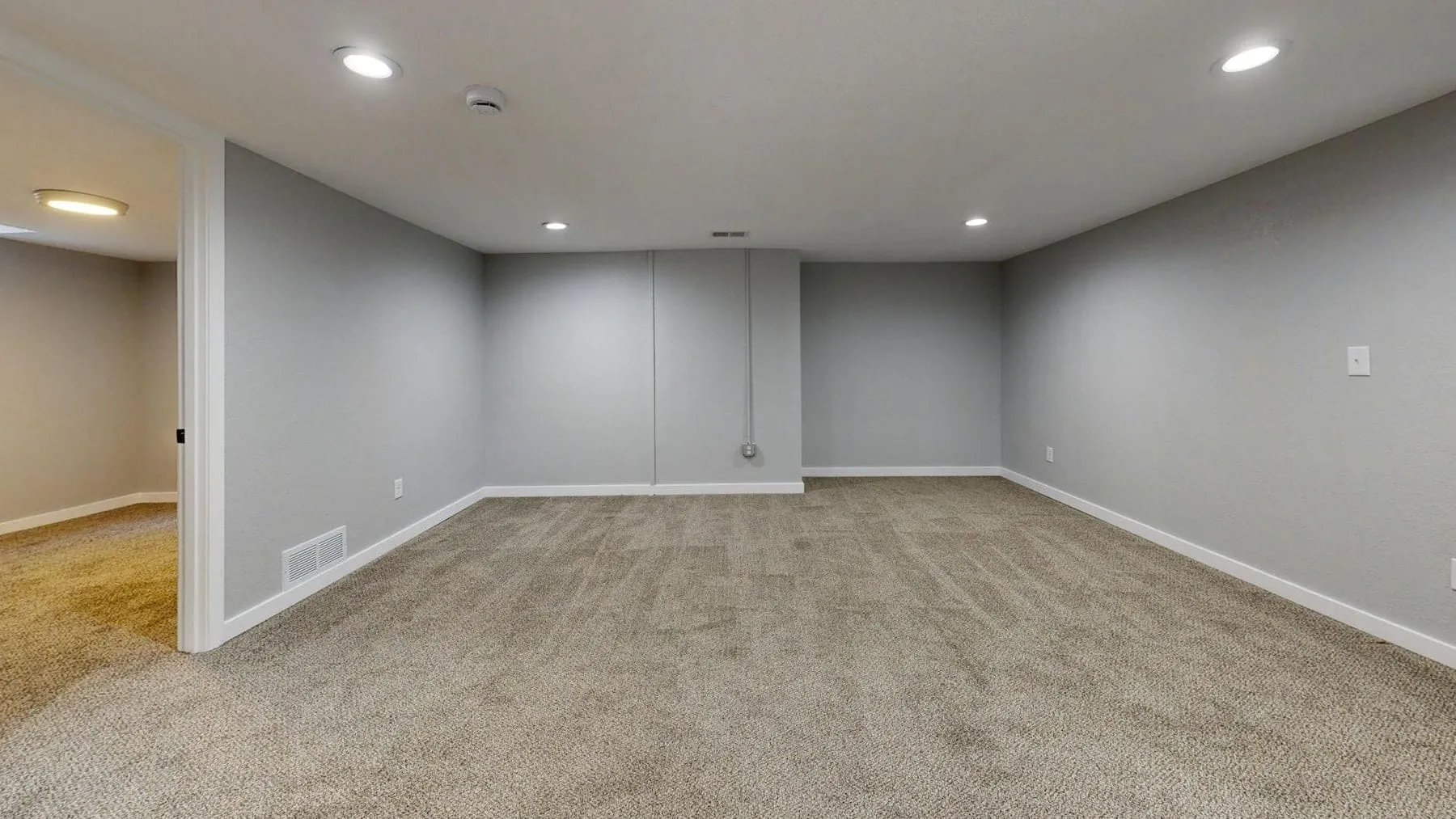
Open family rooms, home theaters, and wet bars. Framed walls, drywall, recessed lighting, vinyl plank flooring, paint, and trim. Pre-wired surround sound and projector mounts where the brief calls for them.
Full living quarters within the basement — bedroom with closet, full bathroom, kitchenette with sink and refrigerator, and a separate egress (often a walk-out door cut into the rear foundation). Code-compliant egress windows where a walk-out isn't possible.
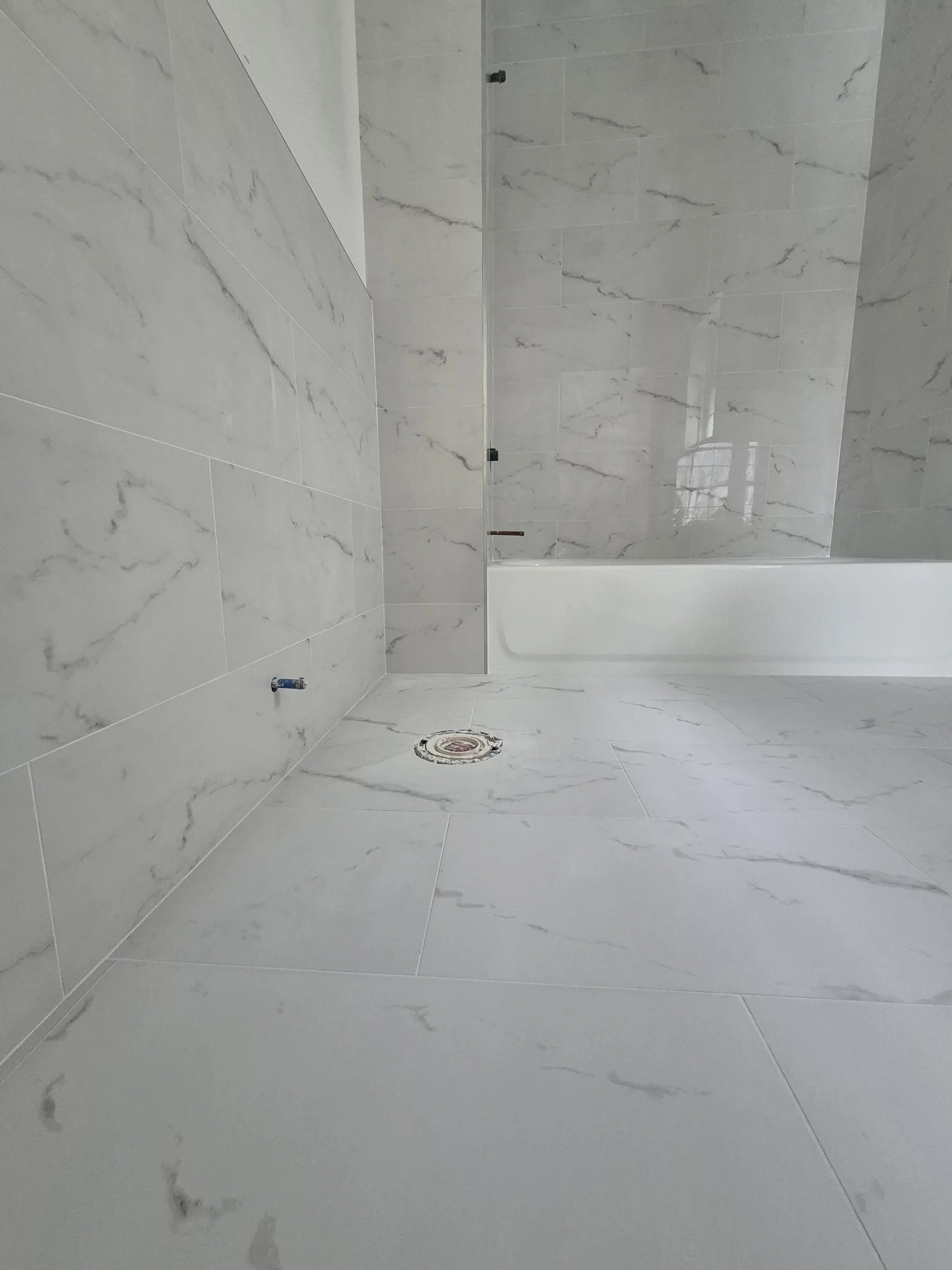
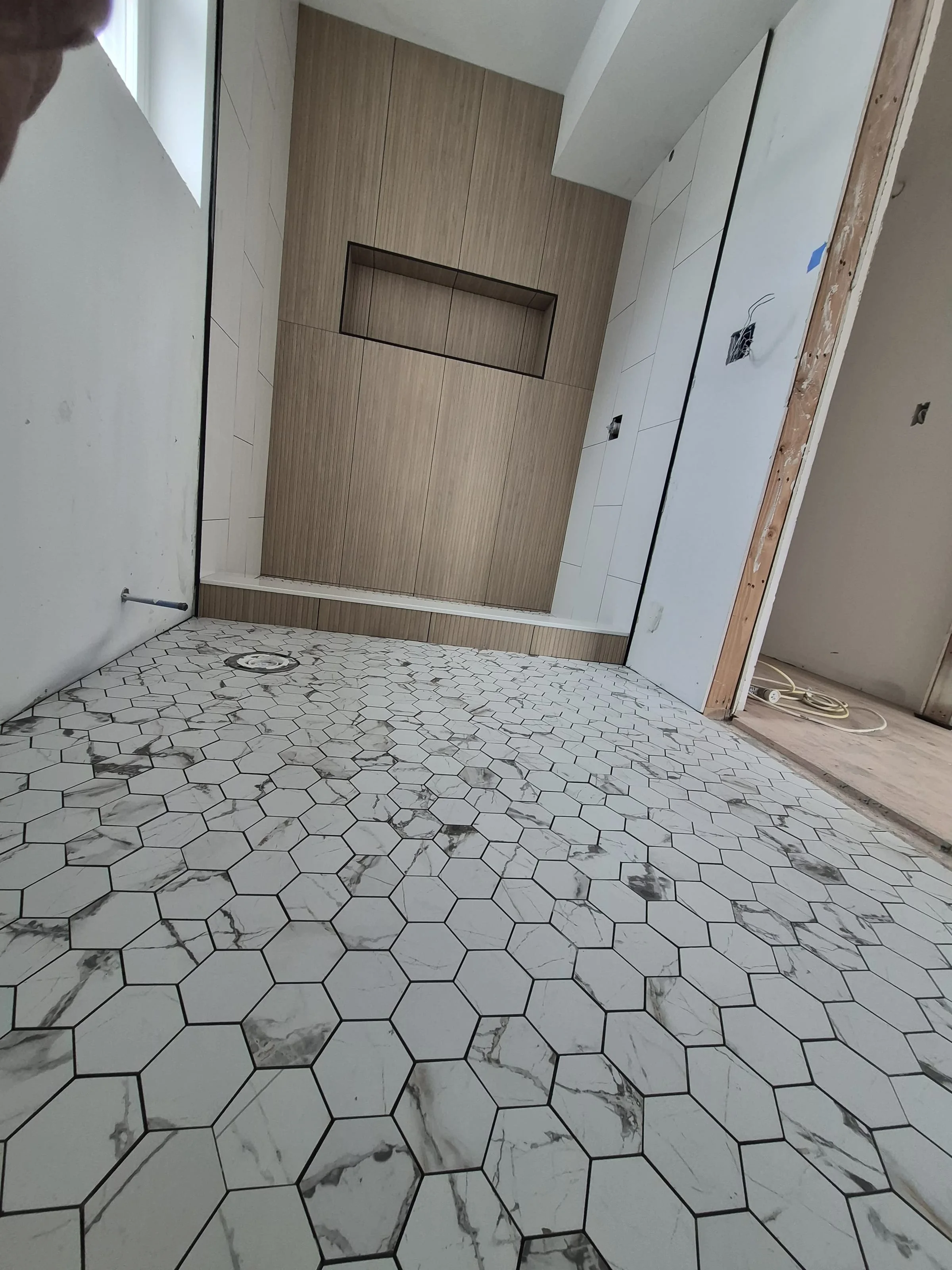
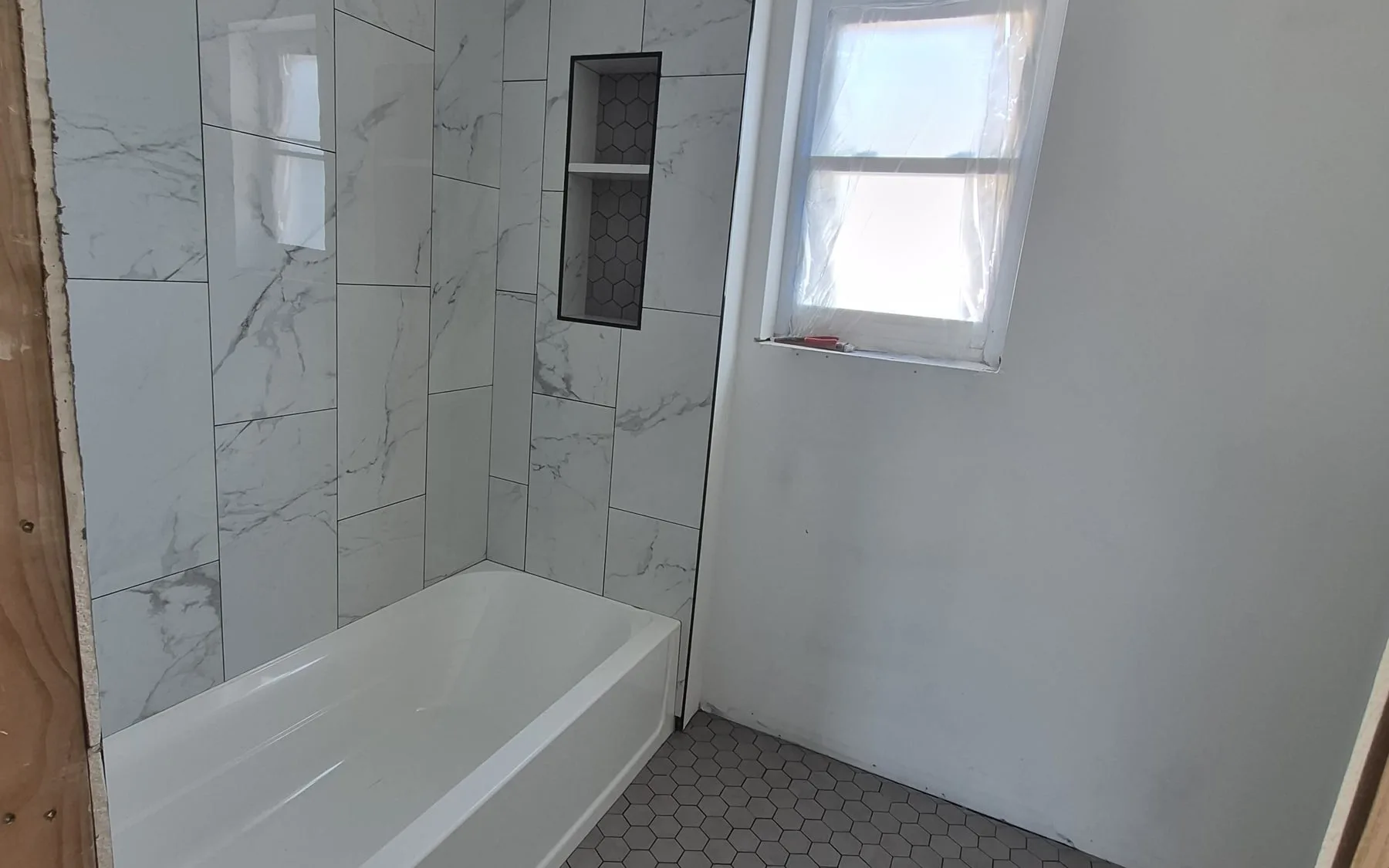
Half-baths and full baths added to a finishing project. Above-floor sewage ejector pump sized for the fixture count. Schluter or RedGard waterproofing membrane on every wet wall. Same plumbing rough-in standard as a primary-suite bath.
Materials & Standards
Basements live below grade — moisture, code, and mechanical access all push back on the build. The six standards below are what hold a finished basement together for the long run.
Interior French drains, exterior membrane, sump pump installation, foundation crack injection, and dehumidification. Addressed before any framing goes up — never patched in after.
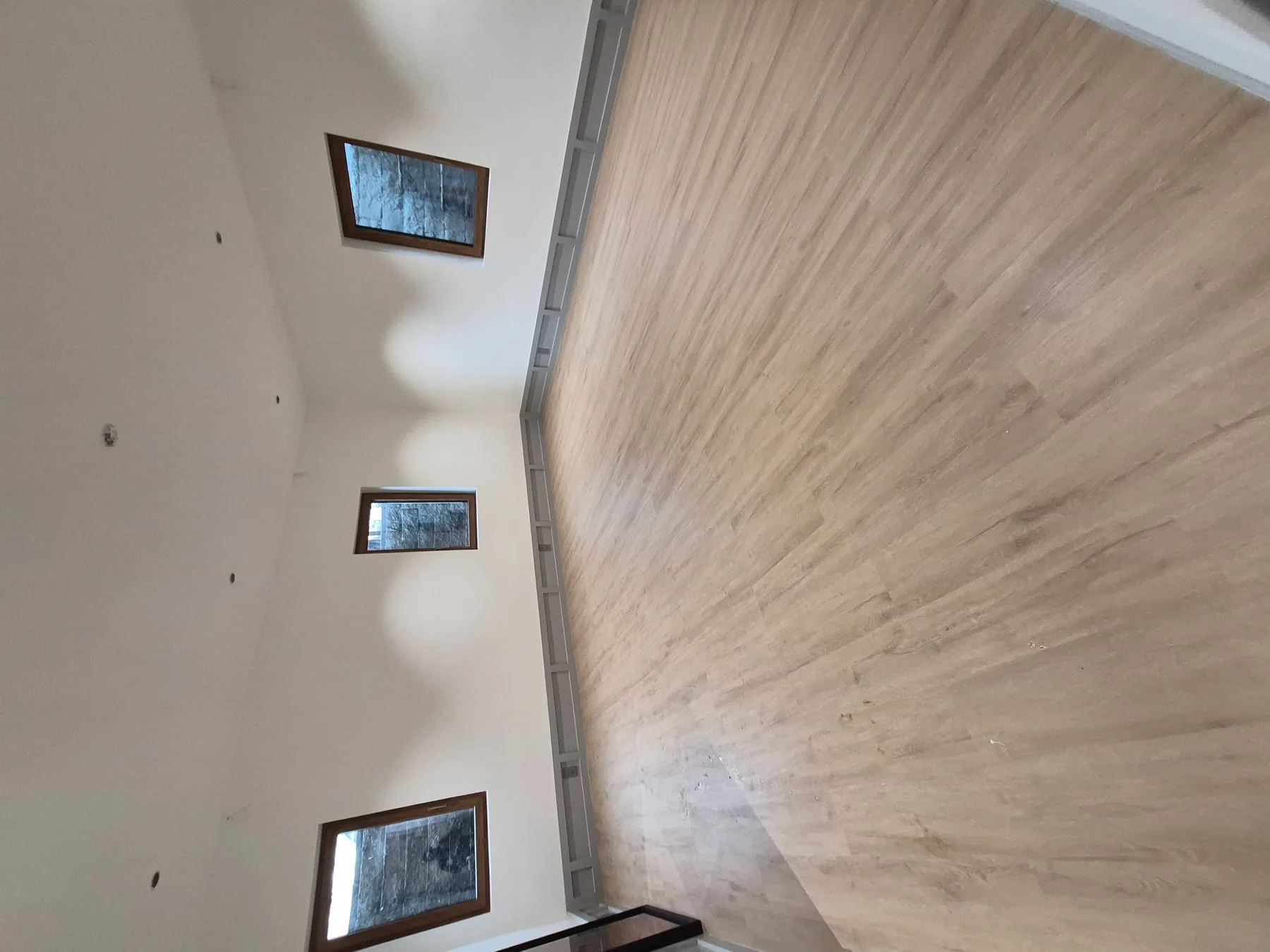
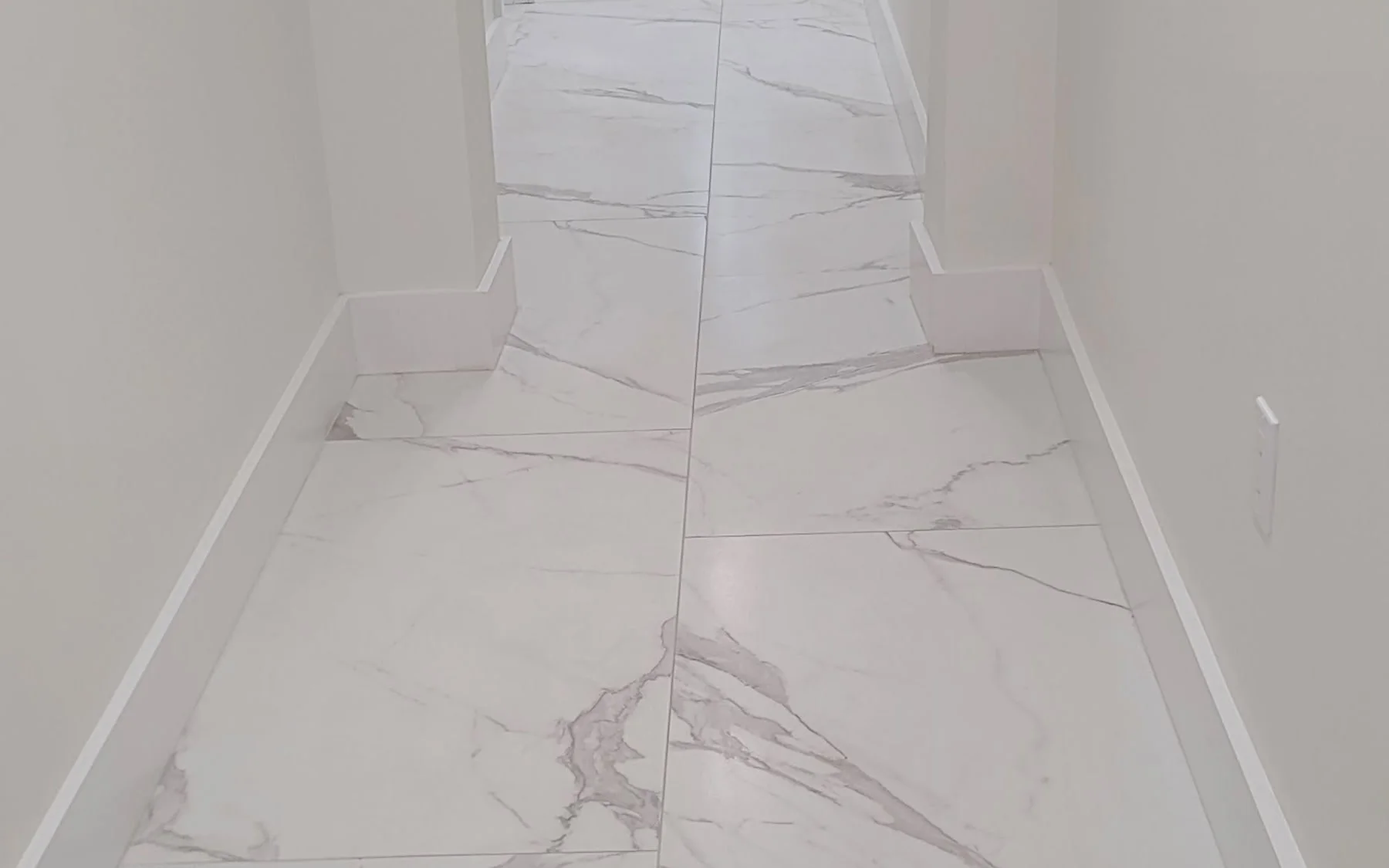
Vinyl plank as the safe default below grade — water-tolerant, forgiving over uneven concrete. Engineered hardwood above grade. Tile and porcelain plank with heated underlayment where the brief calls for it.
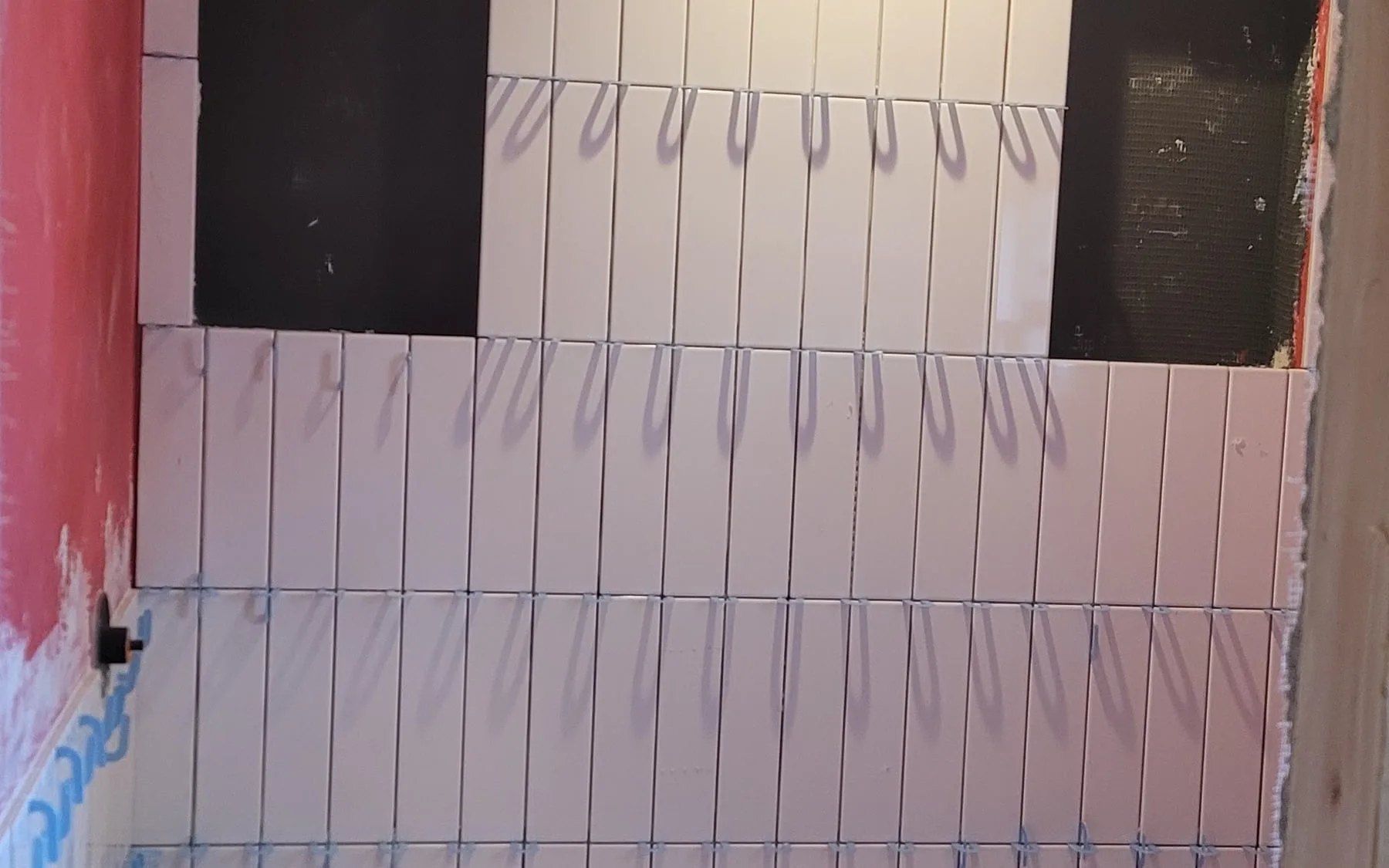
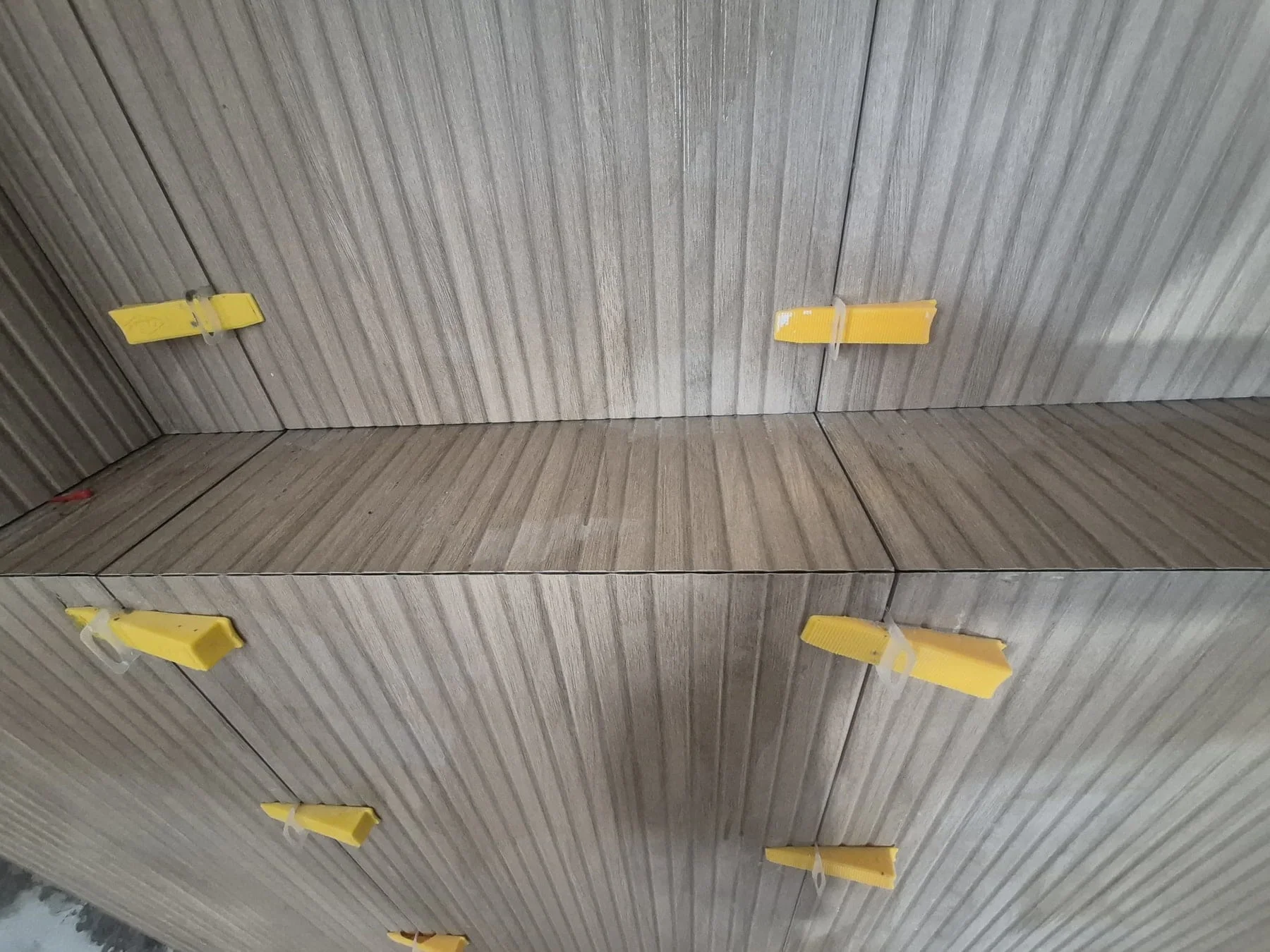
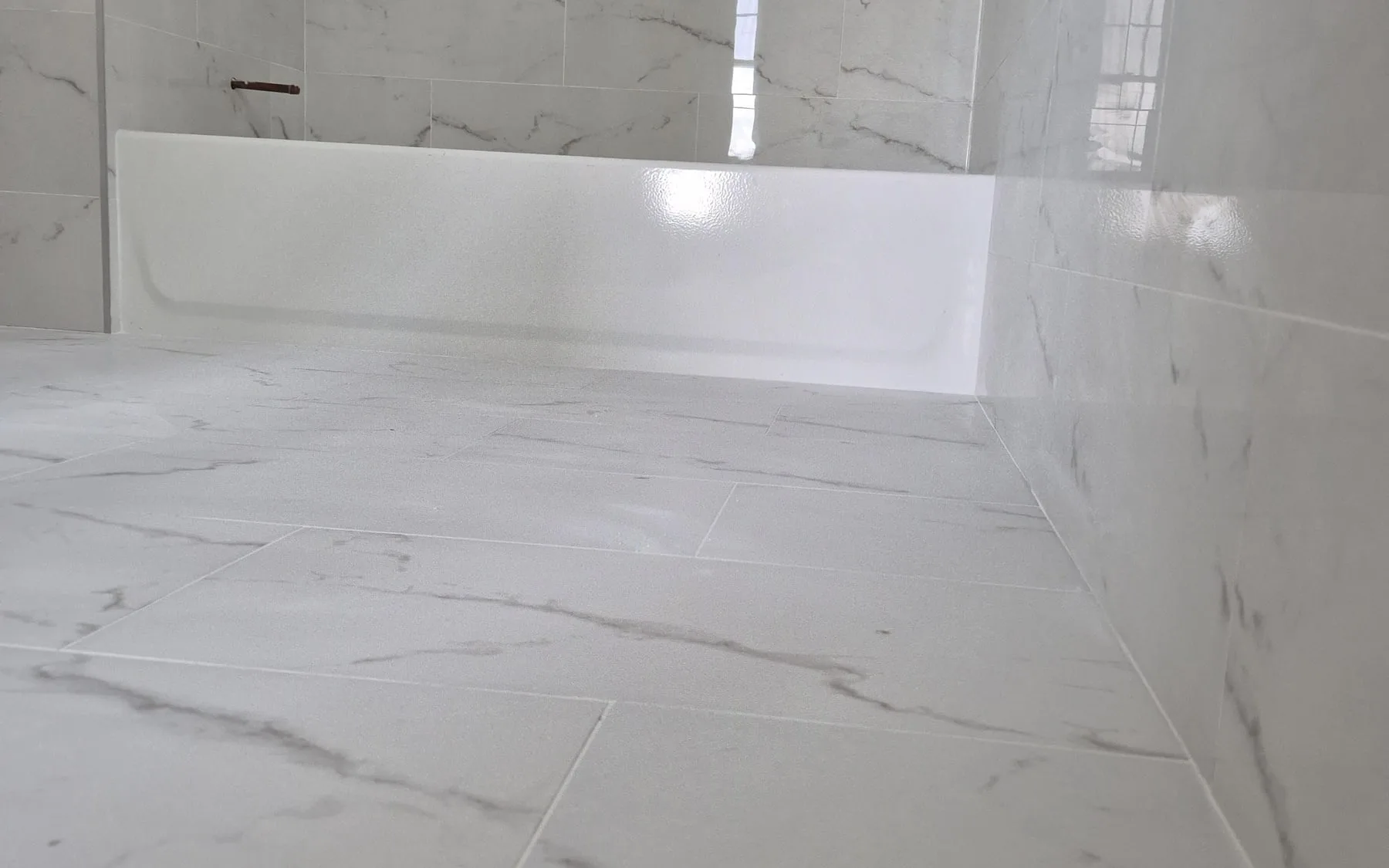
Dry-laid mockup before adhesive. Mitred outside corners on natural stone. Hand-laid mosaic feature walls. Schluter or RedGard waterproofing membrane on every wet wall and shower floor in basement bathrooms.
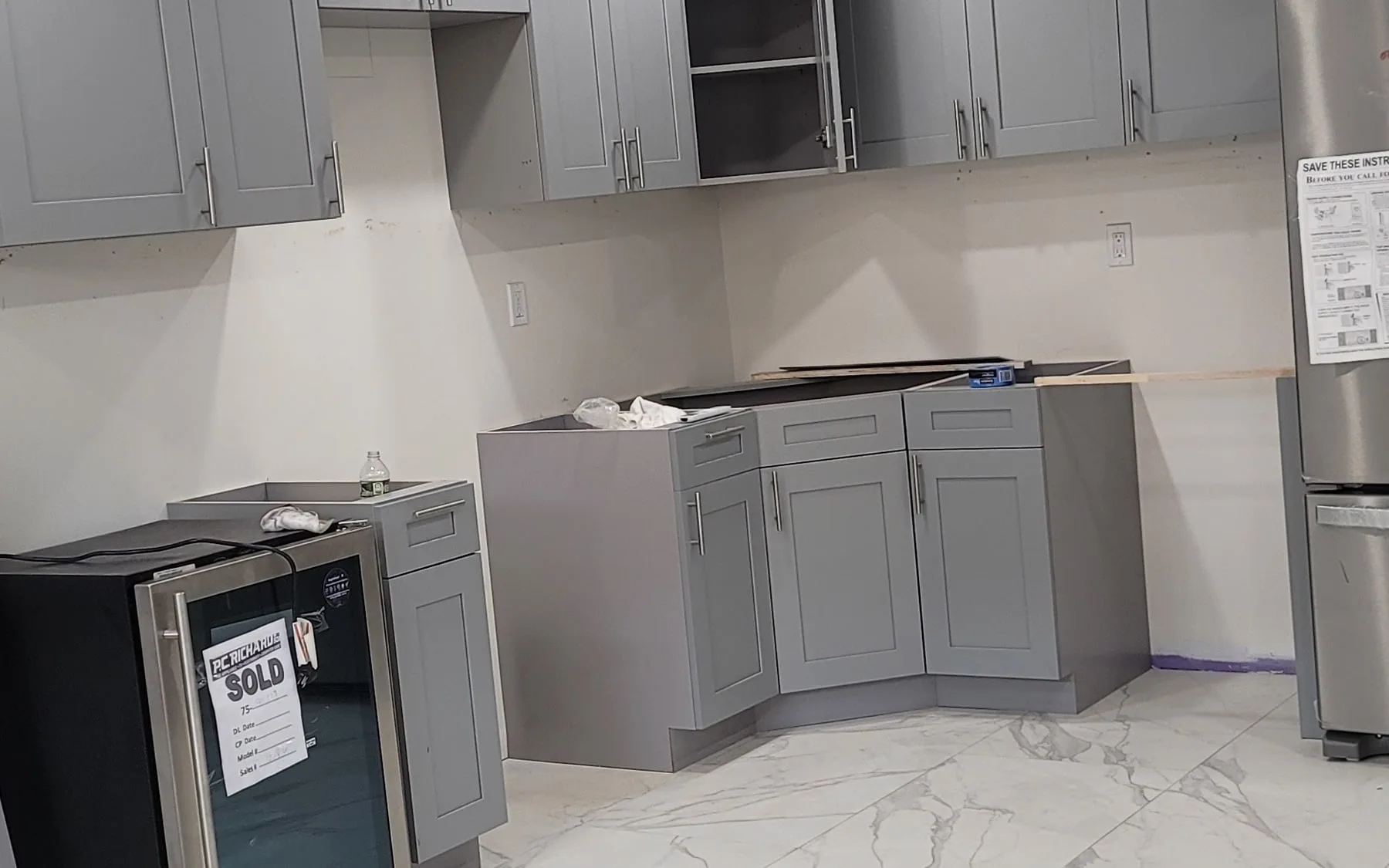
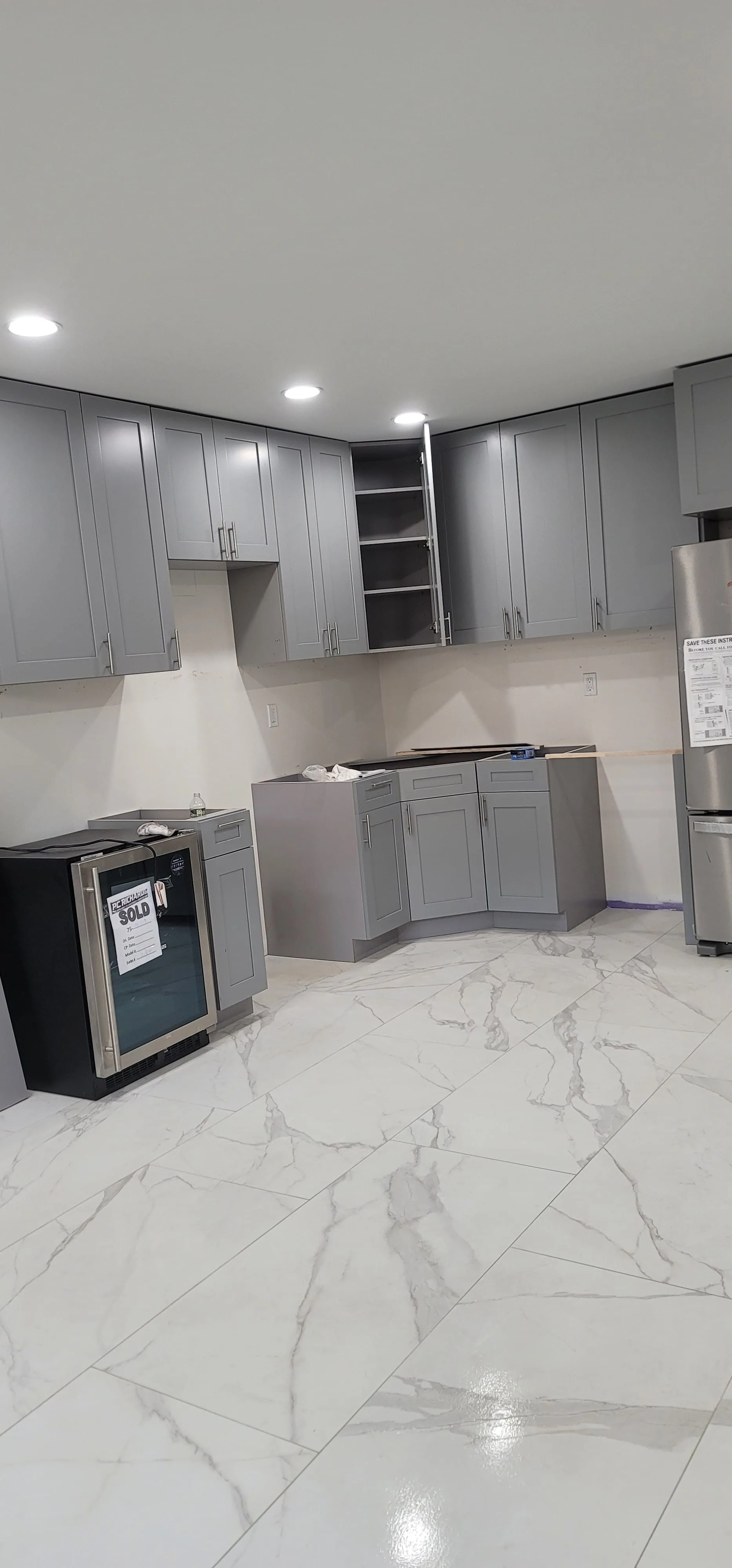
Wet bars, kitchenettes, and built-in storage. Custom millwork from partner shops; semi-custom from the same lines we use upstairs. Lead times built into the design phase, never the demo phase.
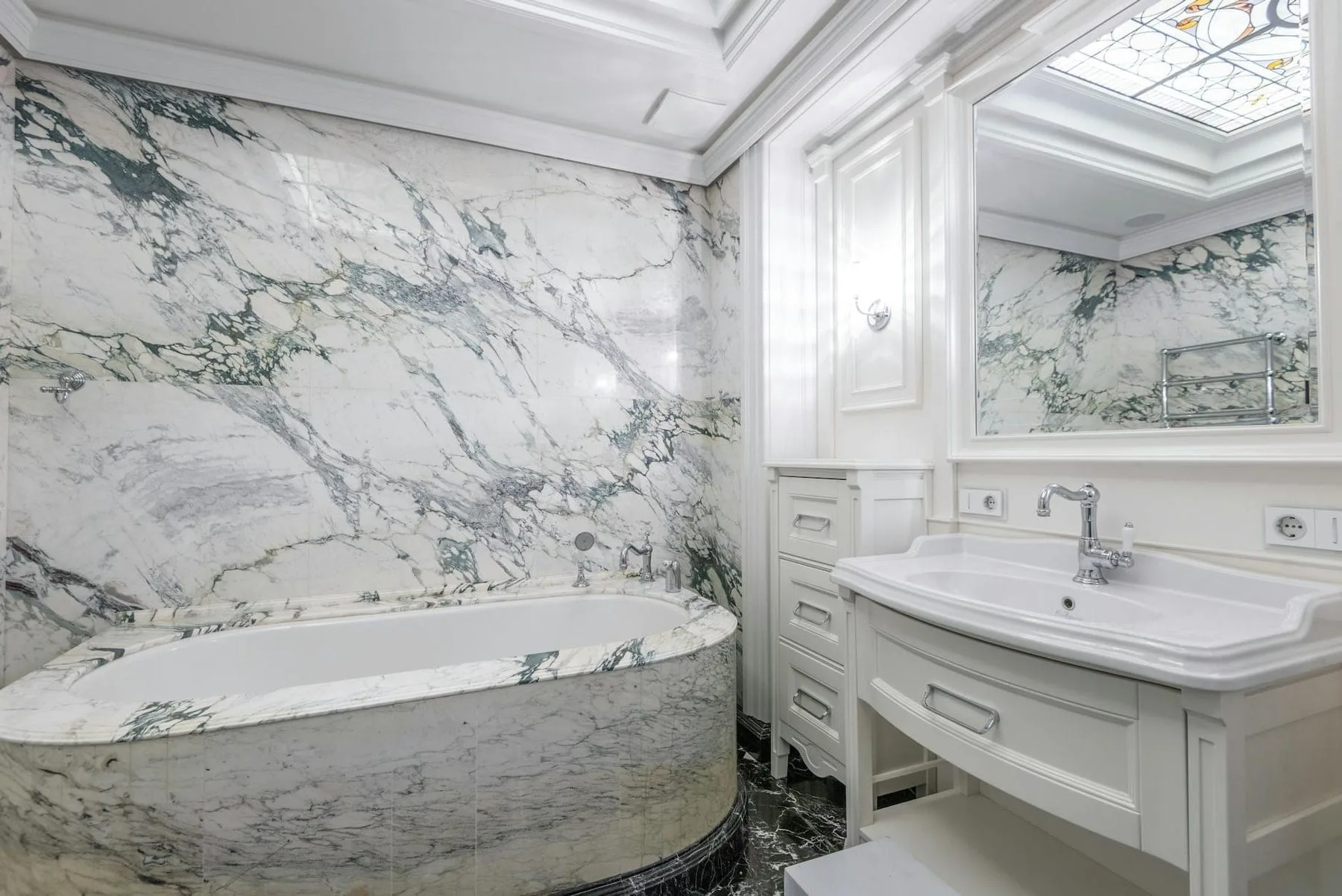
Slab quartz, marble, or solid surface for wet-bar tops, kitchenette counters, and wine-cellar feature walls. Templated on site and delivered the day it is set.
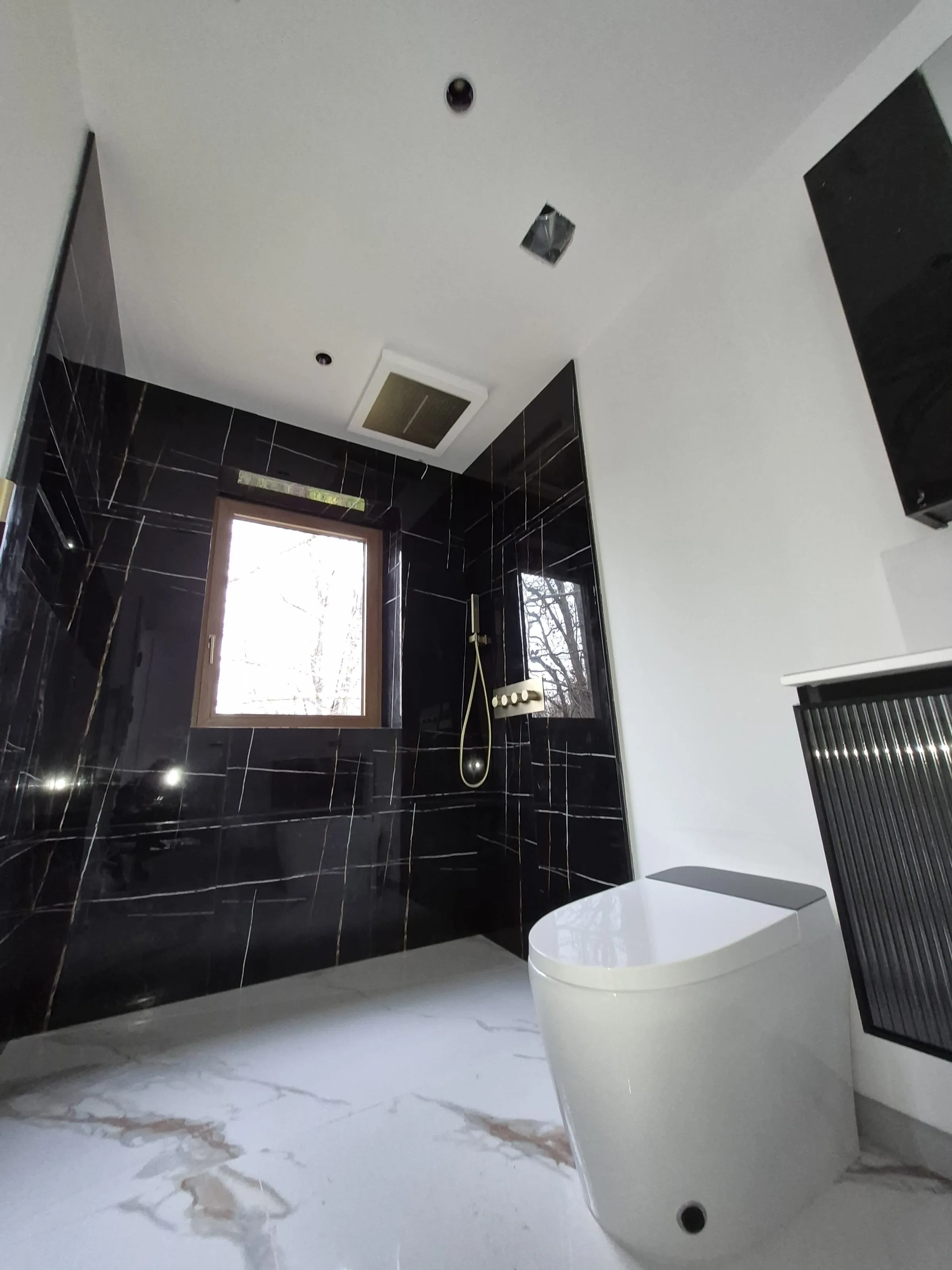
Brass, bronze, and stainless supply lines pressure-tested before walls close. Premium valves, thermostatic shower controls, and fixture lines we use across every bathroom we build.
Process
A standard basement finish runs 3 to 12 weeks once permits clear. Timeline depends on size, plumbing scope, and whether structural waterproofing is needed first.
On site — basements are a where-we-have-to-walk-the-space project type. We bring a moisture meter, measure floor-to-joist height in multiple spots, and check existing waterproofing condition.
Layout drawings, MEP coordination, and township permit filing.
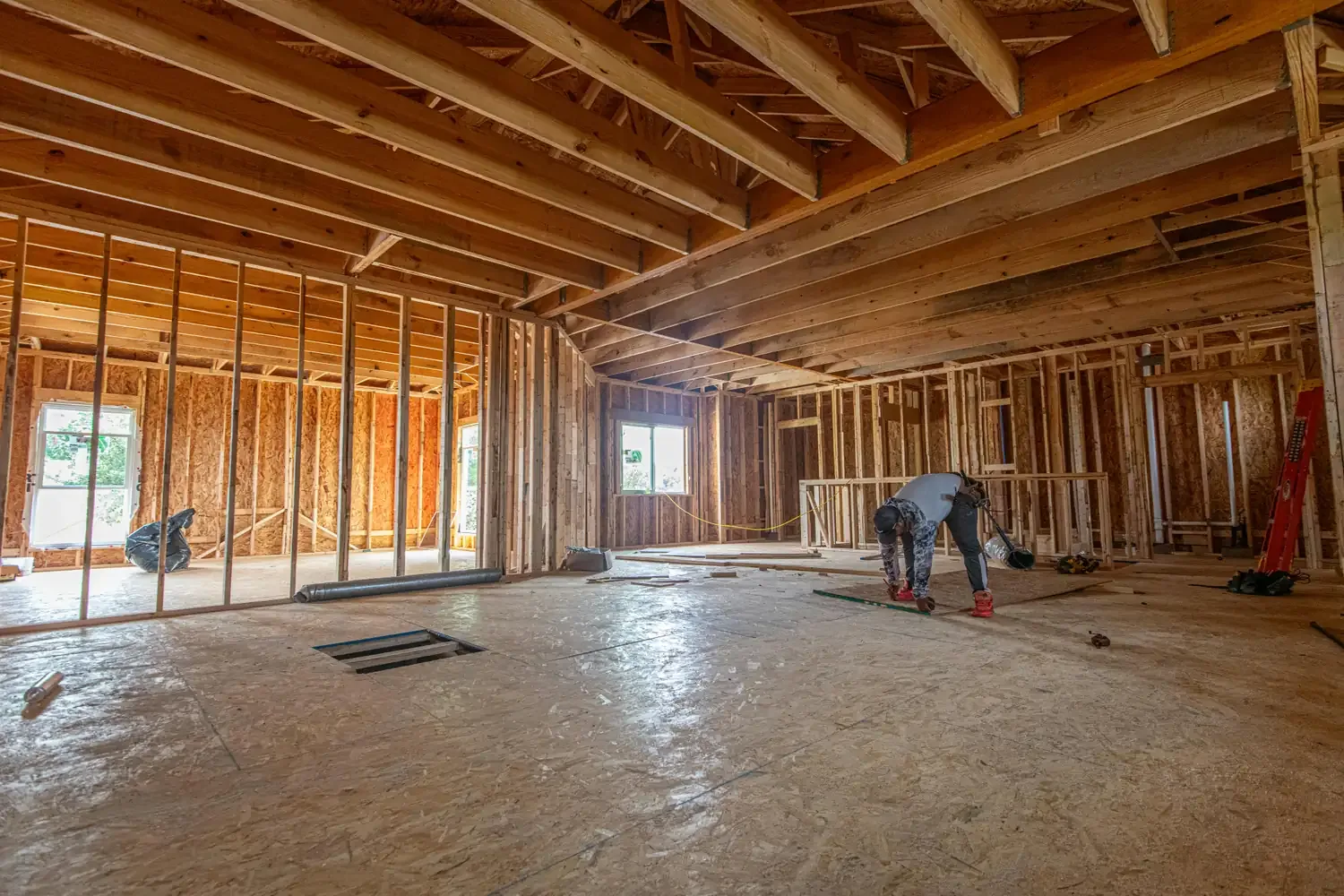
Waterproofing first if needed. Then framing, electrical and plumbing rough-in, HVAC tie-in, insulation, drywall, finish flooring, paint, trim, and fixtures.
Punch list, deep clean, and the 2-year written workmanship warranty. Manufacturer warranties on flooring, fixtures, and cabinetry pass through to you.
Featured Projects
A few recent builds. Each links to a full case study with waterproofing scope, materials list, and timeline.
Service Areas
We’re based in Newark, NJ, and we work across the NYC metro from there. Five boroughs, Long Island, Yonkers, and northern New Jersey are all on the standard route.
And 30+ surrounding cities within a 50-mile radius of Newark, NJ
FAQs
Everything we get asked about scope, timeline, materials, and how the work actually runs.
A typical basement finishing project runs 3 to 12 weeks, depending on size, plumbing scope, and whether structural waterproofing is needed first.
Yes — and we won't finish a basement without addressing water issues first. Interior French drains, exterior membrane and footing drainage, sump pump installation, foundation crack injection, and dehumidification systems are all in scope. Skipping waterproofing on a basement that takes water turns a finished basement into a mold problem within 18 months. We say no to finishing-only scope when the foundation isn't ready.
Yes. A full in-law suite includes a separate egress (often a walk-out door or an oversized egress window per code), a bedroom with a closet, a full bathroom with a shower, and a kitchenette with at least a sink and refrigerator. Local code in NJ and on Long Island governs whether the suite can be permitted as a separate dwelling unit or only as accessory living space — we'll confirm with your township during the design phase.
Yes. Township building permits are required for framing, plumbing, electrical, HVAC, and any structural changes. Egress windows often require a separate permit if they're being cut into the foundation. We file every permit and manage every inspection — typically framing inspection, rough-in inspection (plumbing/electrical/HVAC), and final inspection.
Most NJ and NY building codes require a minimum 7-foot finished ceiling height for habitable basement space (sometimes 6 feet 8 inches under girders or beams). If the existing basement is below code height, we can sometimes lower the floor (underpinning), reroute mechanicals to recapture height, or limit the finish to non-habitable use (storage, mechanical room). We measure on the consultation and tell you what's permitable.
Yes — most often in NJ suburban homes where the rear yard slopes away from the house. We cut a doorway into the foundation, install a structural header, build a frost-protected exterior stair if grade requires it, and waterproof the new opening. Walk-outs add to permit scope and typically add 2 to 4 weeks to the build.
Vinyl plank (luxury vinyl tile) is the safest default — water-tolerant, forgiving over uneven concrete, and warmer underfoot than tile. Engineered wood works above-grade but we don't recommend solid hardwood below grade because of moisture cycling. Tile and porcelain plank work with a heated-floor system underneath. Carpet is fine in a basement that doesn't take water — but we always recommend confirming the waterproofing scope first.
Yes. Pre-wired surround sound (in-ceiling and in-wall speakers), projector and screen mounting with conduit pathways, acoustic insulation in the walls and ceiling, dimmer-controlled lighting scenes, and a built-in bar or kitchenette if the brief calls for it. We coordinate with audio-visual integrators where the system is complex enough to need a dedicated specialist.
Project intake
Free Consultation
Call to walk through your project, or schedule a free consultation — by video if you can’t be on site, in person if you can. We bring sample materials, a measuring kit, and a written scope back to you within a few business days.